


Yoga and Pilates for Spinal Health: Effective Exercises
December 2, 2023
Spine Health for Children: Building Strong Backs from a Young Age
January 31, 2024Spine Health for Seniors: Addressing Age-Related Concerns

Spine Health for Seniors Addressing Age-Related Concerns
Spine Health for Seniors: Addressing Age-Related Concerns. As individuals enter their senior years, the importance of maintaining spine health becomes increasingly crucial.
The spine, a pivotal component of the human body, is responsible for supporting the upper body’s weight, providing structure, and facilitating movement.
However, age-related changes can significantly impact the health and functionality of the spine, affecting an individual’s quality of life and independence.
This comprehensive article delves into the intricacies of spine health in seniors, discussing common conditions, prevention strategies, and treatment options.
Table of Contents
Understanding the Aging Spine
The natural aging process brings about various changes in the spine. Over time, the discs between the vertebrae lose hydration and elasticity, leading to decreased disc height and flexibility.
Bone density can diminish, making the vertebrae more susceptible to fractures. These changes, while common, can lead to discomfort and mobility issues.
Seniors frequently encounter several spine-related concerns. These include degenerative disc disease, osteoporosis, and spinal stenosis, among others. Understanding these conditions is the first step toward proactive management and treatment.
Importance of Spine Health
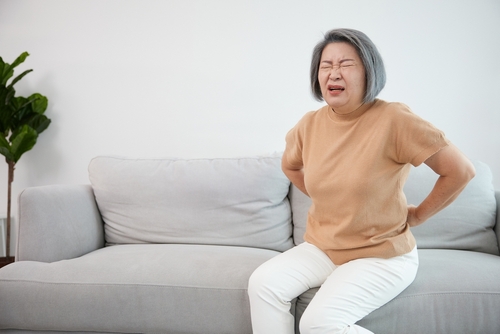
The spine’s role extends beyond mere structural support; it’s crucial for mobility and overall well-being. A healthy spine allows for a wide range of movements while protecting the spinal cord, a key part of the central nervous system.
Spine-health significantly impacts a senior’s quality of life. A healthy spine contributes to better posture, fewer pain episodes, and greater independence, whereas a compromised spine can lead to a decline in daily functioning and enjoyment of life.
Common Age-Related Spinal Conditions
Degenerative Disc Disease
This condition is characterized by the wear and tear of spinal discs, leading to pain, weakness, or numbness. While it’s a natural part of aging, certain lifestyle choices can slow its progression.
Osteoporosis and Vertebral Compression Fractures
Osteoporosis weakens bones, making them more prone to fractures. Vertebral compression fractures can result in significant pain and deformity, severely impacting spine health.
Spinal Stenosis
Spinal stenosis involves the narrowing of the spinal canal, which can compress the spinal cord and nerves, causing pain and mobility issues. It’s a common condition that can be managed with proper care and treatment.
Lifestyle and Prevention
Healthy Lifestyle Choices
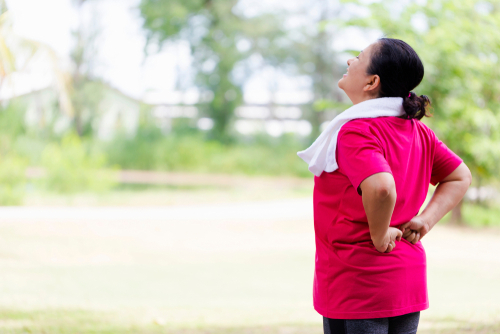
Maintaining a healthy lifestyle is paramount in preserving spine health. Regular exercise, a balanced diet rich in calcium and vitamin D, and maintaining good posture can all contribute to a healthier spine.
Fall Prevention
Falls are a leading cause of spine injuries in seniors. Implementing fall prevention strategies like home modifications, wearing proper footwear, and staying physically active can significantly reduce fall risk.
Smoking and Spinal Health
Smoking has detrimental effects on spine health, contributing to disc degeneration and impeding healing. Quitting smoking is a crucial step in maintaining a healthy spine.
Seeking Professional Guidance
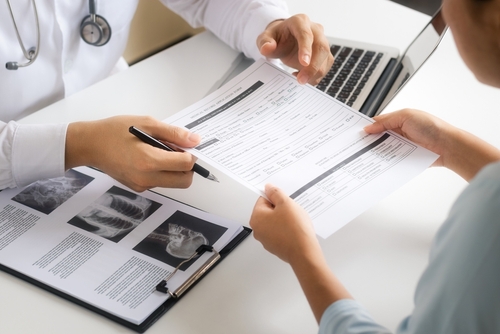
Regular check-ups with healthcare providers are essential for monitoring spine health and catching issues early. Seniors should schedule routine visits to stay on top of their spinal health.
When specific spinal issues arise, consulting with spine specialists like orthopedists or neurologists can provide targeted care and treatment plans tailored to individual needs.
Non-Surgical Treatment Options
Physical Therapy
Physical therapy is a cornerstone of managing spine health. It can help strengthen the back, improve flexibility, and reduce pain without the need for invasive procedures.
Medications
Various medications can help alleviate pain and inflammation associated with spinal conditions. It’s essential to discuss these options with a healthcare provider to find the most suitable treatment.
Chiropractic Care
Chiropractic care can offer relief for some seniors with spine issues. It involves the manipulation of the spine to improve function and reduce pain.
Surgical Treatment Options
In some cases, when conservative treatments don’t provide relief, surgery might be the best option. Conditions like severe spinal stenosis or significant vertebral fractures may require surgical intervention.
Several surgical procedures can be performed to alleviate spine issues in seniors, including laminectomy, spinal fusion, and vertebroplasty. Understanding these options can help seniors make informed decisions about their care.
Coping with Chronic Pain
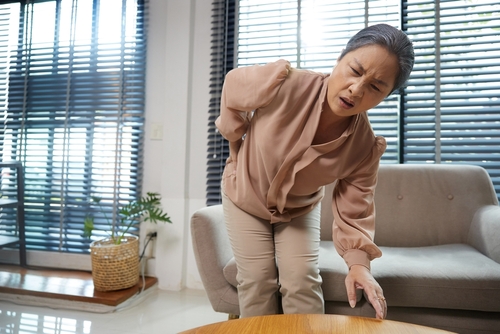
Managing chronic pain is a critical aspect of living with spine conditions. This might include medication, physical therapy, and complementary therapies like acupuncture.
Chronic pain can take a toll on mental and emotional health. Addressing these aspects through counseling, support groups, or other resources is vital for comprehensive care.
FAQ On Spine Health For Seniors
What daily activities can seniors do to maintain spine health?
Seniors can maintain spine health by engaging in daily activities like walking, stretching, and performing low-impact exercises such as water aerobics or yoga. Maintaining an active lifestyle helps to keep the muscles around the spine strong and flexible, reducing the risk of pain and injury.
How does nutrition affect spine health in seniors?
Nutrition plays a crucial role in maintaining spine health. A diet rich in calcium and vitamin D is essential for bone density and strength, while foods high in anti-inflammatory properties can help reduce pain. Seniors should focus on a balanced diet with plenty of fruits, vegetables, lean proteins, and whole grains.
Are there any alternative therapies that can benefit spine health in seniors?
Yes, several alternative therapies can benefit the spine health of seniors. Acupuncture, massage therapy, and yoga have been shown to reduce pain, improve flexibility, and enhance overall well-being. However, it’s important to consult with a healthcare provider before starting any new treatment.
How does mental health impact spine health in seniors?
Mental health significantly impacts physical health, including the spine. Stress, anxiety, and depression can lead to muscle tension and pain, while a positive outlook and stress management techniques can improve pain tolerance and recovery. Seniors should consider mental health support as part of their spine health care plan.
What are the signs that indicate a senior should seek immediate medical attention for spine issues?
Seniors should seek immediate medical attention if they experience severe or sudden back pain, loss of bladder or bowel control, numbness or tingling in the extremities, or weakness in the legs. These symptoms could indicate a serious condition requiring prompt treatment.
Spine Health for Seniors: Addressing Age-Related Concerns – Conclusion
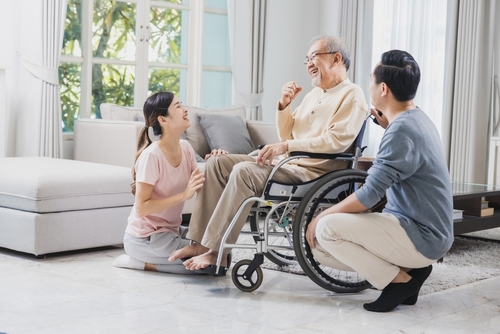
Prioritizing spine health is crucial for maintaining independence and quality of life in the senior years.
By understanding common conditions, embracing prevention strategies, and seeking appropriate care, seniors can manage spine health effectively.
Regular check-ups, a healthy lifestyle, and staying informed about treatment options are all essential steps towards a healthier spine. Ultimately, taking proactive measures can lead to a more active and fulfilling life in the golden years!
Are you seeking a professional and reliable spine health doctor in Singapore? Contact us today!


